
Spicy Machine Learning Meets the Physical World
- AI
- Robotics
- Strategy
Why putting AI into hardware is not the same as putting AI into a chatbot — a field report on physical AI with Leaf Labs.
Select work, perspectives, and observations across our projects.
Why putting AI into hardware is not the same as putting AI into a chatbot — a field report on physical AI with Leaf Labs.
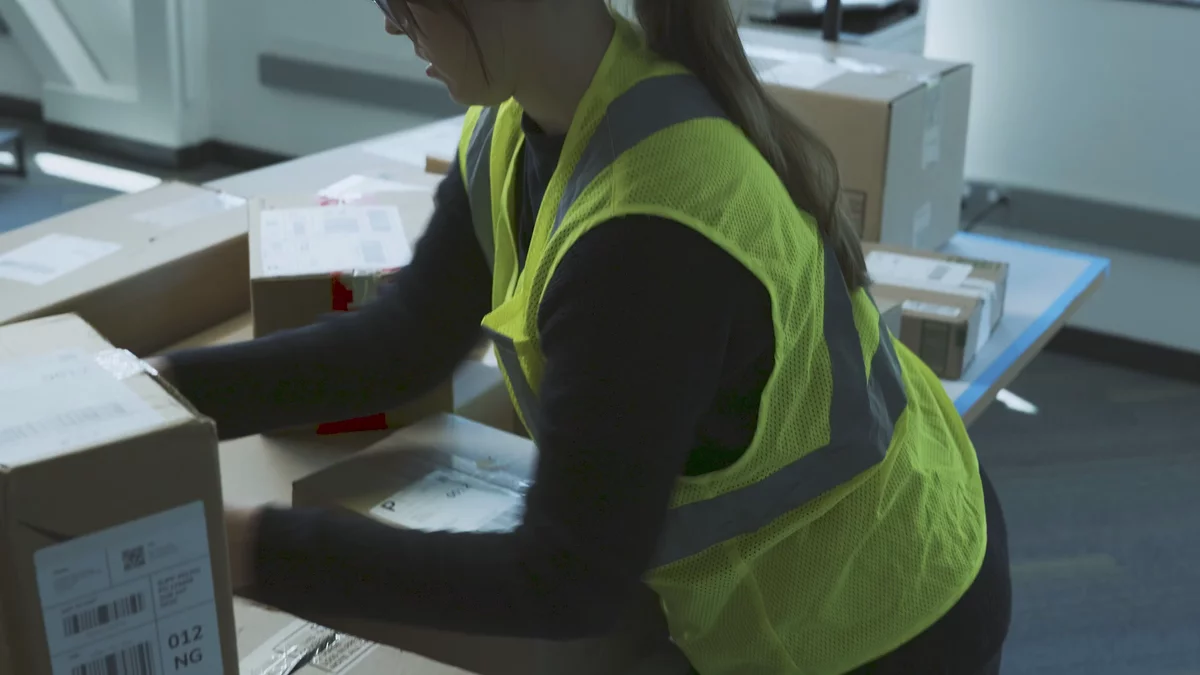
A logistics client wanted to deploy robotic automation inside delivery vehicles to sort and retrieve packages throughout the workday. We helped them identify that the highest-value problem wasn’t moving packages autonomously, but helping drivers find them faster. That shift led to a lower-cost, lower-risk assistive system with a stronger ROI profile.
Most product failures don’t start in engineering. They start when organizations commit to solutions before understanding the problem.
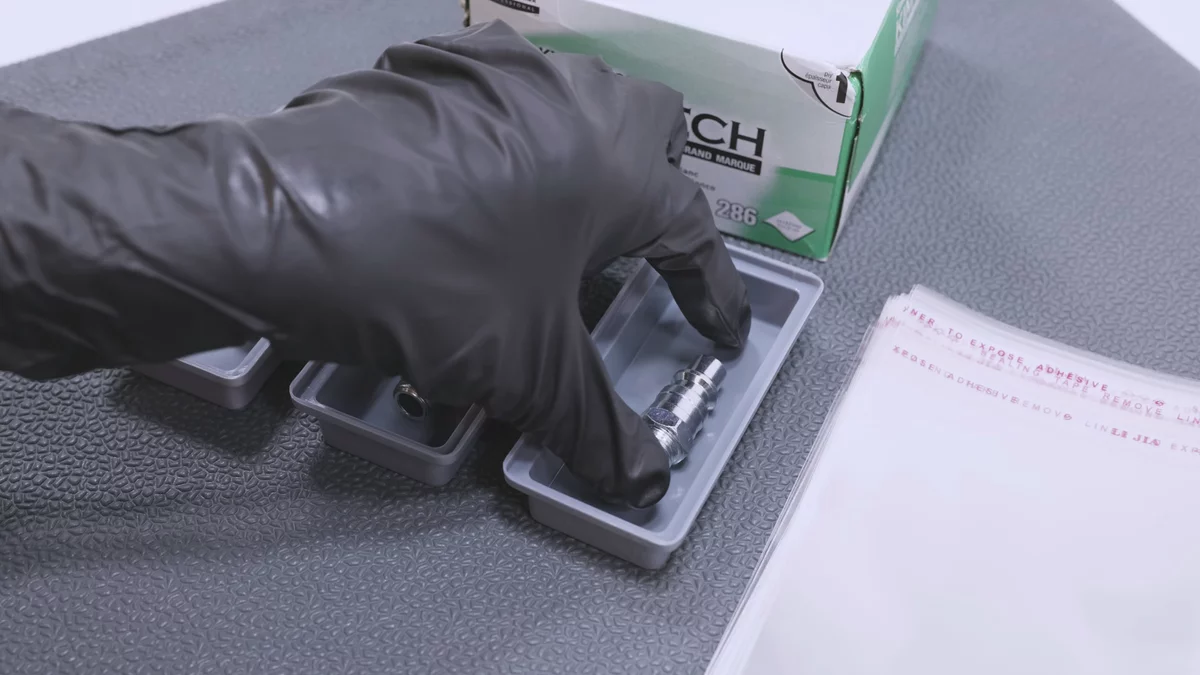
An industrial machinery manufacturing client approached Product Insight to design a robotic system that would automate a manual cleaning, inspection, bagging, and boxing process. While the automation was technically feasible, the economics did not support it. Product Insight helped the client avoid unnecessary capital investment by saying no to implementing the ask, and instead reframed the project around operational value and ROI.
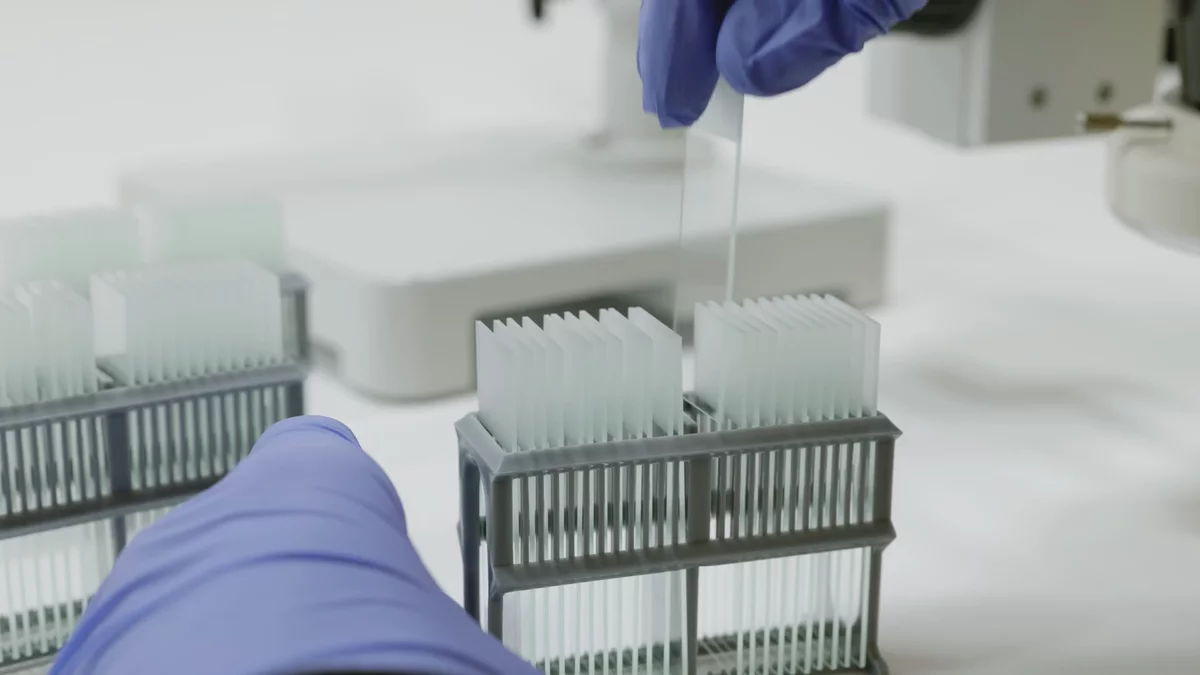
Hologic, a medical diagnostics company, was developing a high-throughput automation system that relied on slide racks originally designed for manual handling, not robotics. Rather than replacing those consumables with a more complex automation-friendly system, we redesigned how the automation interacted with the existing workflow.
Software teams can afford to discover problems after launch. Hardware teams usually can’t — so we test direction before building hardware.

A conversation about why the human hand is still almost impossible to copy, and why the most useful robots often skip the hand entirely.
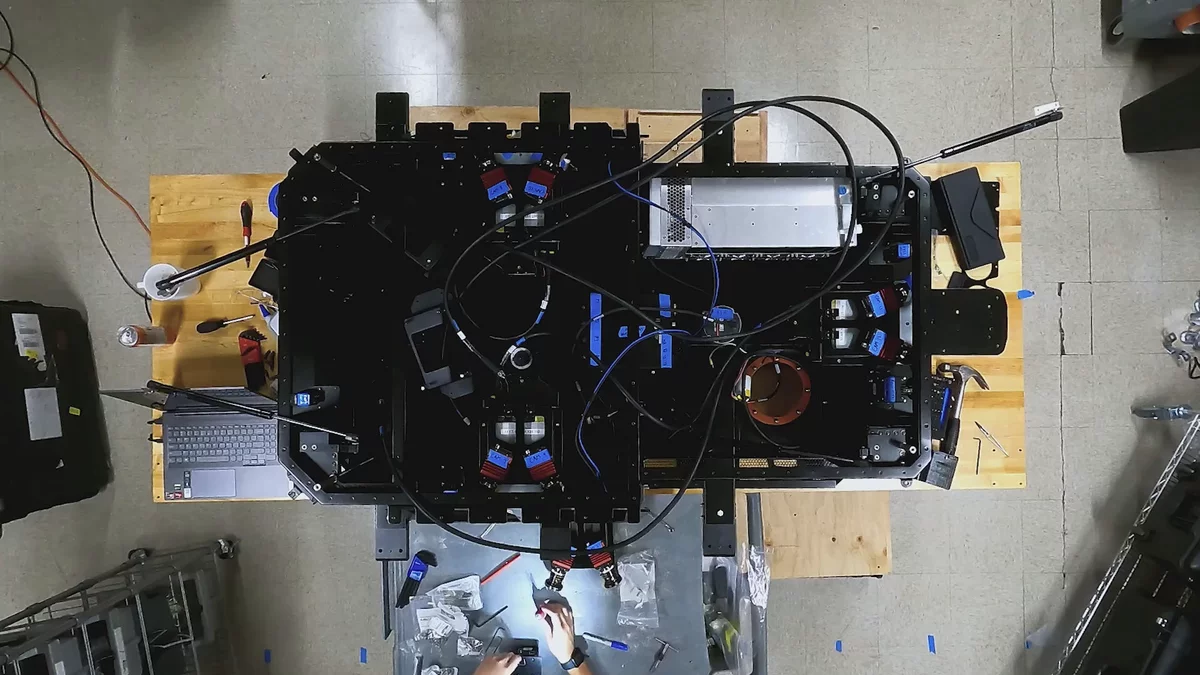
An automotive client developing advanced driver-assistance systems (ADAS) recognized that repeatedly building custom test vehicles was inefficient and difficult to scale. We helped transform that process into a modular platform that reduced repeated engineering work and improved long-term ADAS testing.
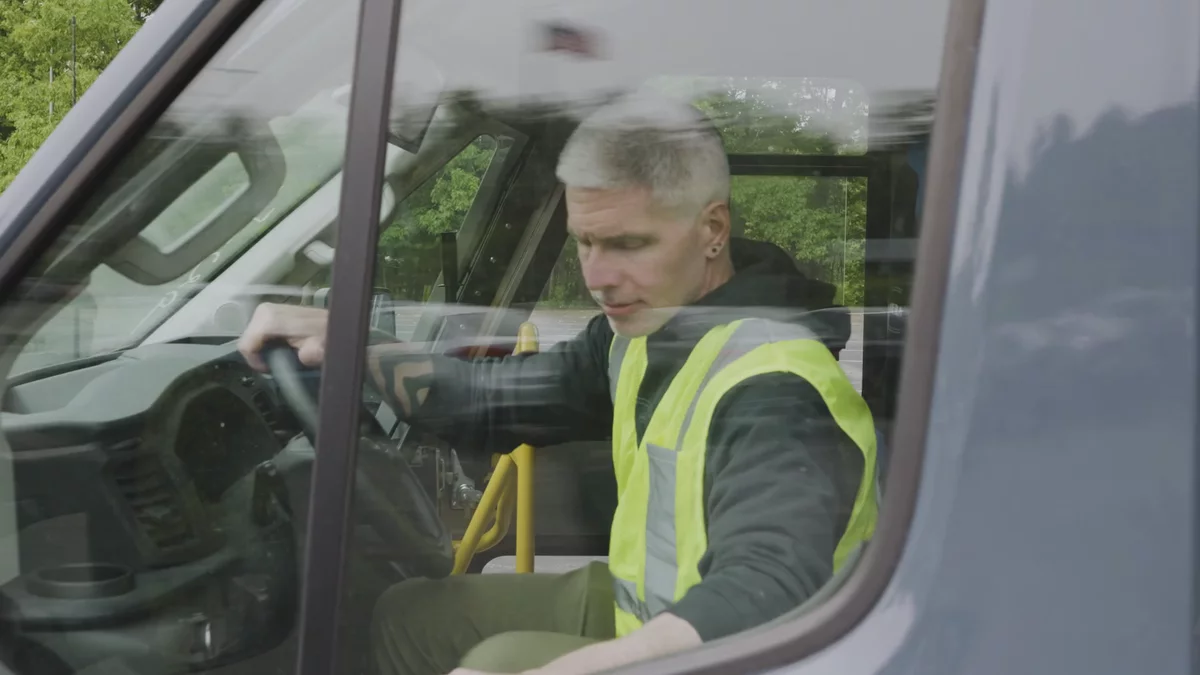
A large organization wanted to explore deploying robotics into field-service vehicles as part of a long-term operational transformation. The vision carried potential, but also substantial technical and business uncertainty. We helped turn the idea into a staged roadmap where each step generated operational value while reducing risk for the next.
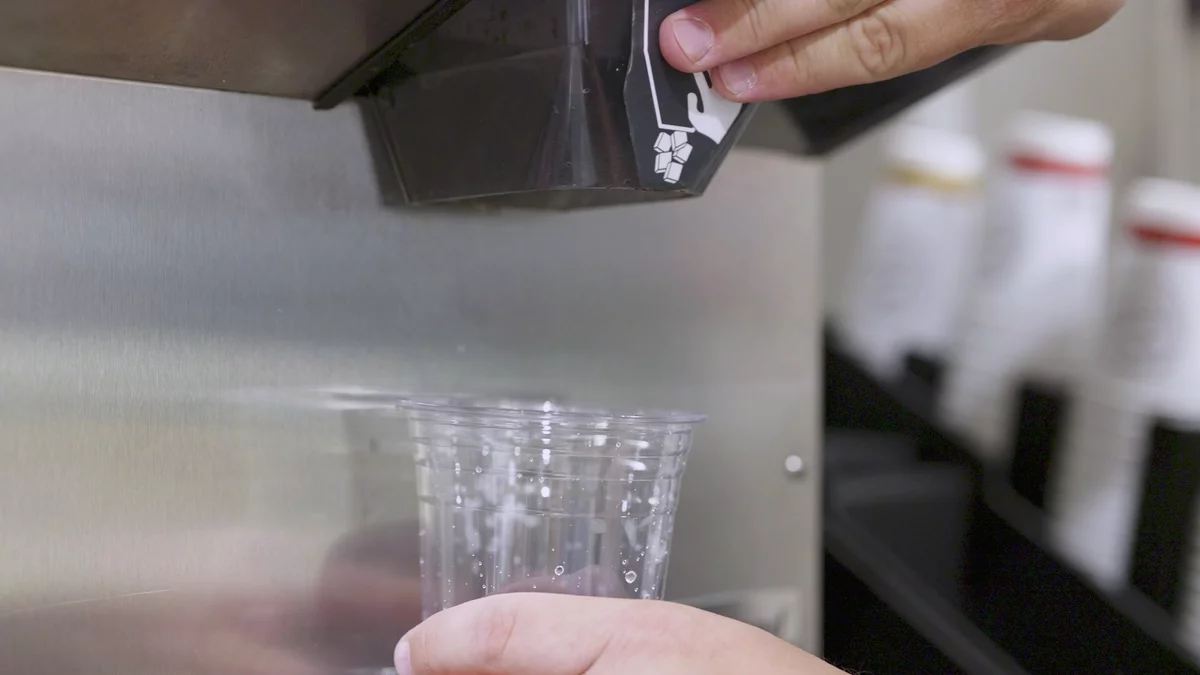
Follett, a commercial ice equipment manufacturer, was pursuing a high-volume opportunity with a major coffee chain to automate ice dispensing. What appeared to be a straightforward product request carried hidden risk: the requested level of dispensing precision introduced more complexity than the workflow likely required. Product Insight helped Follett validate what level of performance actually mattered before committing to a production architecture.
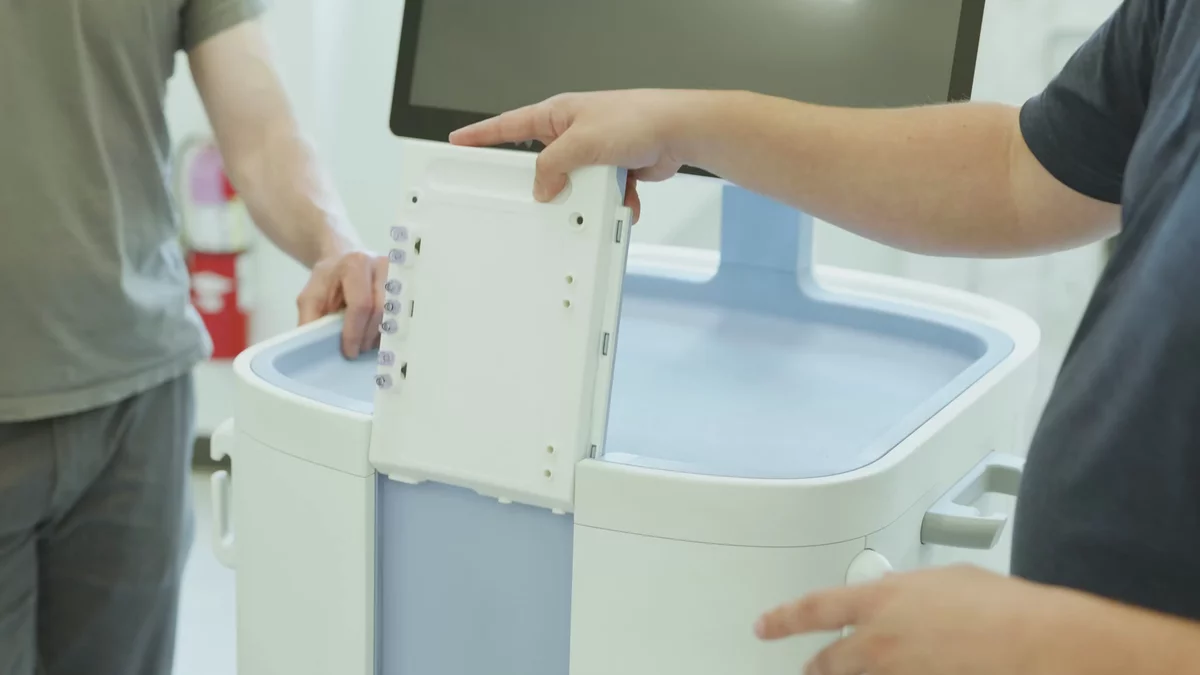
A medical cart program for metabolic therapeutics company Fractyl Health began as an industrial design engagement. Once Product Insight examined how the cart would actually function throughout its cycle, it evolved into a broader product architecture effort. We helped transform the system into a more durable, serviceable, and scalable platform designed around the realities of hospital use.
A pilot should answer questions the organization couldn’t answer in a conference room — it’s where the real operational learning begins.

Why physical AI is safe in structured environments and still unproven in the unstructured world we actually live in.
Most automation initiatives fail for a simple reason: companies automate what they think the workflow is instead of how it actually behaves.
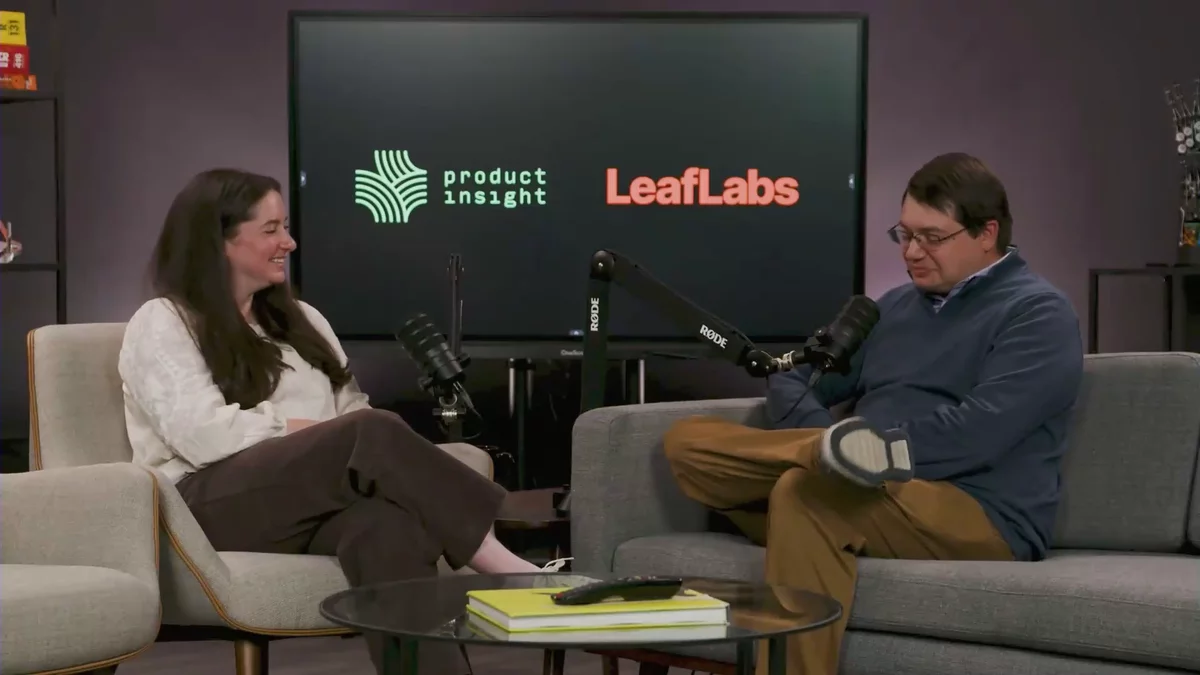
A conversation with LeafLabs on why AI is an accelerant and not a replacement, and what it still takes to turn a fast prototype into something reliable enough to build.
The buyer signs the check, but the user decides whether you win. The trap: the customer's wish list and even your own pilot are unintentionally engineered to hide the user's real reaction. Here's how to correct it before you build.
No results match your filters.