Development Leaders

Execute quickly with clarity.

Starting your development program from a validated concept improves ROI, prevents rework, and avoids opportunity cost.

Better Inputs, Better Implementation

Most development challenges start upstream, which leaves you with ideas that haven't been fully thought through. We shape the work before it reaches your team, so execution is faster, cleaner, and more predictable.

  • Validate before development begins

    We work through assumptions early so your team isn't forced to solve fundamental issues midstream.

  • Surface risks when they're still manageable

    Prototype and test concepts early to validate direction before committing to hardware.

  • Improve what enters your pipeline

    We help ensure your team is working on well-defined, viable concepts, not ideas that need to be reworked.

  • Foundations your teams can trust

    You get clear requirements, tested direction, and early artifacts your team can confidently execute against.
Built for Better Decision-Making

Because we're independent, with no equity in outcomes or incentive to keep projects alive, the insight we generate is objective. This creates internal alignment and ensures decisions are based on reality, not momentum.

Case Studies

Turning Evidence into Outcomes

  • Replacing One-Off ADAS Builds With a Reusable Platform

    • Platform
    • Development
    • Strategy

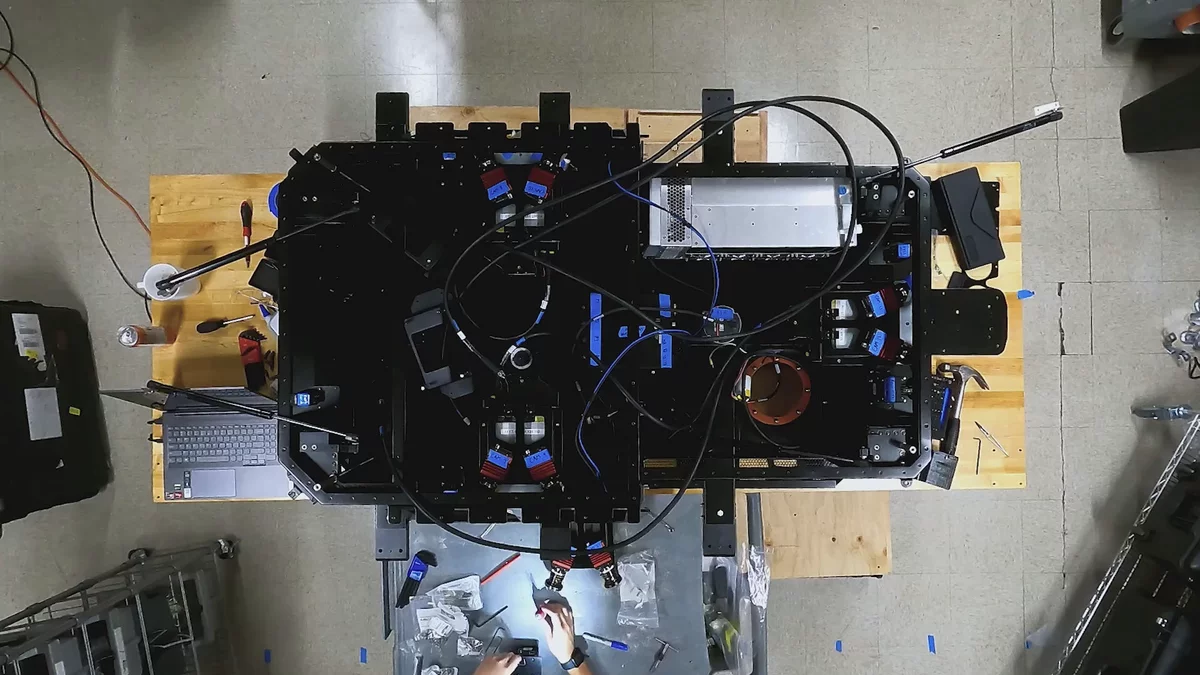
    An automotive client developing advanced driver-assistance systems (ADAS) recognized that repeatedly building custom test vehicles was inefficient and difficult to scale. We helped transform that process into a modular platform that reduced repeated engineering work and improved long-term ADAS testing.

    View Case Study
  • Making Legacy Consumables Work with Automation

    • Automation
    • Robotics
    • Workflow
    • Healthcare

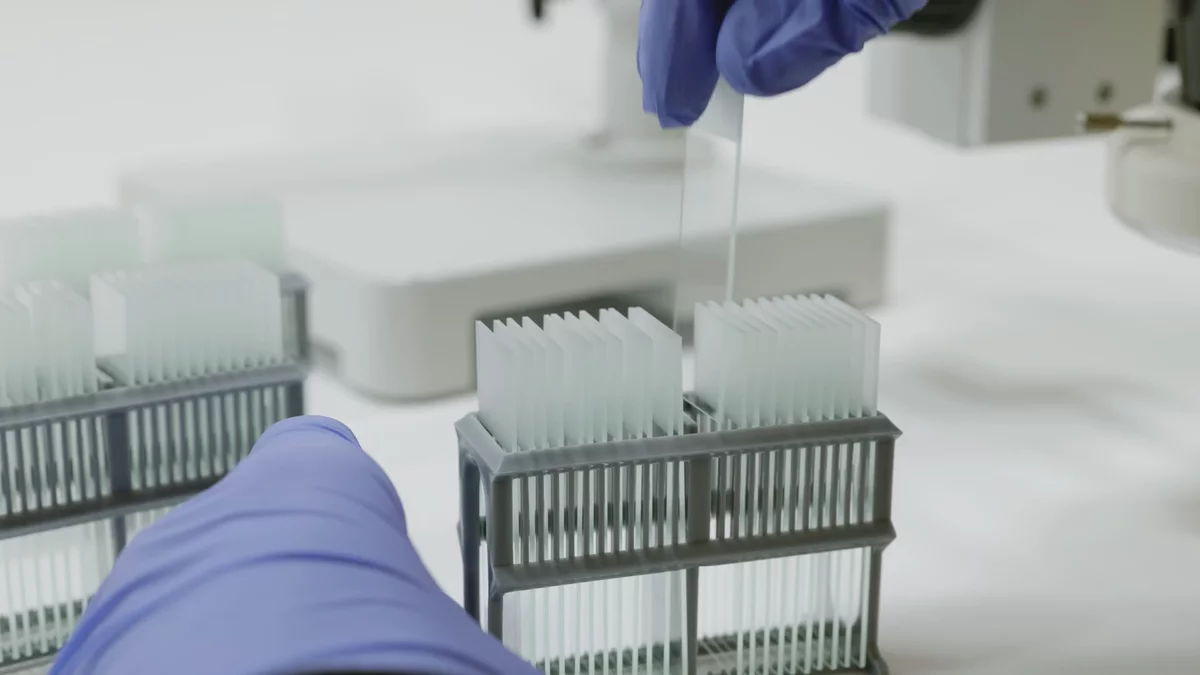
    Hologic, a medical diagnostics company, was developing a high-throughput automation system that relied on slide racks originally designed for manual handling, not robotics. Rather than replacing those consumables with a more complex automation-friendly system, we redesigned how the automation interacted with the existing workflow.

    View Case Study